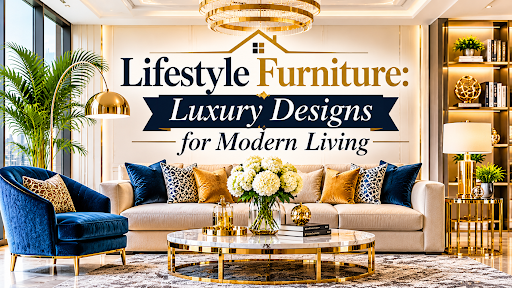
The interior design has seen a huge shift in the last decade. A home today is not simply a place to eat, sleep, and store things; it’s a place of personal sanctuary, an executive workspace, an entertainment hotspot, and a personal reflection. The essence of this transformation is lifestyle furniture, a segment of home furnishings designed to integrate luxury designs with daily use. Luxury design principles can elevate lifestyle furniture to the realm of museum-worthy artistry, filling the gap between the two.
Defining Luxury Lifestyle Furniture in the Modern Era
To appreciate the passion these homeowners, architects, and interior designers have for luxury lifestyle furniture, it’s important to set it apart from conventional luxury furnishings. Historical luxury furniture tended to focus more on the ornamentation, formality and the importance they conveyed rather than comfort. You wanted to look at a gilded armchair across the room, you didn’t spend a lot of time in it with an espresso in the morning or a laptop.
Modern luxury lifestyle furniture changes all that. It starts with the idea that luxury is all about a piece being able to carry out your way of living with ease. From an ergonomic lounge chair which cradles the spine after a long day to a deep-seated modular sectional upholstered in.
This Design Philosophy Is Guided by a Number of Key Points
- Human-Centric Ergonomics: Proportions, seat depths, lumbar angles and cushion densities are all carefully engineered to instantly feel supportive yet maintaining sharp lines and architectural clarity.
- Tactile Materiality: Modern luxury isn’t what you see, it’s what you feel: cool honed marble, oiled oak, supple full-grain aniline leather and heavy bouclé weaves.
- Quiet Sophistication: Also known as quiet luxury, is a style that prefers restraint, simple lines and neutral colors that do not follow the trend of the season.
- Adaptable Functionality: Spaces have become multi-functional. These are all features that the luxury version may offer, such as a built-in storage compartment, a modular design that allows for rearranging or integrating smoothly acoustical and technical components.
The Evolution of Contemporary Living Spaces
Residential lifestyle furniture has been influenced directly by the changes in architectural design. Open floor plans, floor to ceiling windows, indoor to outdoor living and hybrid work lifestyles require furniture to operate on multiple levels at once. Sofas in an open plan house should be used in the same way as in a closed plan home and should be the same size.If a house is open plan, the back of a sofa is as exposed as the front, and must also be the same size. Accordingly, luxury furniture manufacturers now consider each corner of a piece to be a focal point, using curved lines, sculptured wooden frames and custom stitched lines that all play beautifully at 360 degrees. Likewise, as living rooms merge with dining spaces and home offices, furniture needs to provide visual separation without physical barriers. A low level and double-sided credenza or an L-shaped modular sofa always anchors a conversation area, and maintains the integrity of sightlines and natural light throughout the floor plate.
Additionally, there has also been an increase in expectations for indoor air quality, non-toxic finishes and connection to the natural world through biophilic design in the field of wellness in architecture. Today’s sophisticated consumers will not accept synthetic off-gassing or carpet made from throwaway fast furniture. Rather, they look for heirloom quality products, using no-VOC plant oils, and responsibly sourced hardwoods and natural upholstery fibres to promote a healthy home.
Signature Materials Driving Luxury Furniture Design
The essence of any luxury item is the raw materials it’s created with. Rare, durable and ethically harvested materials, with character that deepens over time are a point of great investment by master artisans and contemporary design houses.
1. Sustainably Sourced Hardwoods
The wood is still the mainstay for fine furniture making. American black walnut, European white oak, smoked ash and Burmese teak are sought after for their unique grain, stability and warmth. Modern luxury finishes do not cover over the wood with thick synthetic lacquers, but rather employ natural hardwax oils and matte sealants that enable the wood to breathe and gradually build up a beautiful patina over the years.
2. Natural Stone and Mineral Surfaces
Geological permanence in modern interiors is introduced by pieces of marble, travertine, quartzite and soapstone. The vein-cut Roman style coffee table and dining pedestals are a hallmark of the earthy and warm appearance of the vein-cut Roman style of travertine. Calacatta Viola and Verde Alpi marbles are marbles with natural veining, creating a functional tabletop that is one of a kind.
3. Artisanal Metals and Patinated Finishes
The cold, mirror chrome finishes have largely been replaced by warmer finishes that are hand-applied. Structural precision and subtle sheen are added by brushed brass, blackened steel, oil-rubbed bronze, and champagne-toned aluminum. These metals are especially common in thin bases for architecture, recessed inlay details or custom hardware that adds a touch of style to minimalist cabinetry.
4. Performance Luxury Textiles and Full-Grain Leathers
The combination of haute-couture design and practicality is one of the most significant advances in lifestyle furniture. Fabrics like velvets, cashmeres and heavy linens, engineered to be spill, fade and abrasion resistant, are now being manufactured by textile mills in Italy, Belgium and Scandinavia. These leathers are complemented by vegetable-tanned full-grain leathers, which maintain their suppleness, breathe naturally, and soften over the years.
Room-by-Room Guide to Luxury Lifestyle Furniture
To create a unified, high-end home, it’s important to match furniture choices with the character and function of each room. Here are the complete luxury lifestyle principles applied across all of the main areas of the home.
-
The Living Room: The Heart of Connection and Relaxation
The modern living room needs to seamlessly convert into a relaxed Sunday morning reading nook or an energetic evening get together.
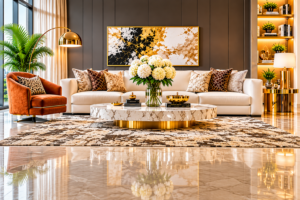
- Modular Sectionals and Curved Sofas: These sofas can be arranged in various combinations, providing flexibility for homeowners as their needs change. Curved Sofas: Homeowners can enjoy reconfiguring their seating arrangements with a low slung modular sofa, because of its versatility. Crescent sofas have a rounded shape that makes them more inviting for sitting together and talking with each other, lessening the hard edges of modern architecture.
- Sculptural Accent Chairs: A set of striking lounge chairs in differing textures, like cognac saddle leather and a bouclé sofa creates a sense of tension and depth. Many luxury accent chairs have swivel bases to offer guests flexibility to move around from the fireplace to the view to the main seating area.
- Layered Center Tables: Designers frequently stack two or three side tables of various heights and materials low height plinth tables in travertine and tall tables in smoked glass and bronze, for example.
The Dining Room: Elevated Gathering and Culinary Artistry
Functional dining rooms are no longer formal rooms used infrequently but are more like galleries for use every day.
- Architectural Dining Tables: Timber or carved stone, remove the corner legs, leaving more leg room and providing a striking sculptural form. Round and gently curved rectangular tops encourage all seats to be used for discussion around the table.
- Upholstered Dining Seating: Comfortable dining chairs have now matched that of lounge seating with wrap-around barrel backs, foam and down cushions, and soft fabrics appealing to guests to linger after dinner.
- Streamlined Sideboards and Bars: Credenzas featuring push-to-open doors, slabbed stone top tables and LED interior lighting are ideal for organizing tableware and glassware and make it a bit easier to stay entertained.
The Bedroom: A Restorative Private Sanctuary
Luxury lifestyle furniture in the primary suite has a focus on serenity, acoustic softness and simplicity of visual calm.
- Upholstered Platform Beds: Platform beds wrapped in linen, wool or nubuck leather are soft centres of focus and offer plush support when reading in bed. Clean horizontal lines are created with integrated floating nightstands and hidden reading lights.
- Bedroom Lounge Vignettes: If there’s room for a second sofa, set one near a window for a cozy spot to sit and enjoy a cup of coffee in the morning or take a quiet break from the day.
- Bespoke Dressers and Wardrobes: Well-made case goods with soft-close dovetail drawers, suede-lined jeweler’s cases and fluted wood fronts provide a serene balance in the lives of everyday people.
- The Home Office: Executive Relaxation and Domestic Friendliness the home office, after being a sterile corporate environment, has become a space of residential sophistication thanks to remote and hybrid working, which have become an integral part of the modern lifestyle.
The Home Office: Executive Poise Meets Domestic Warmth.
Advanced Lumbar Mechanics and Tilt: Tailored Ergonomic Seating Luxury task chairs are designed to have advanced lumbar mechanics and tilt, which are now disguised by tailored leather or wool upholstery and polished aluminum frames that fit into the refined interior.
- Statement Writing Desks: Blackened steel and timber open-backed book stores are not only functional for books and art objects, but also create subtle room dividers in multi use spaces.
- Tailored Ergonomic Seating: Luxury in outdoor living spaces. today’s luxury design embraces patios, terraces and poolside spaces as an extension of the living room.
- Architectural Bookcases: Grade-A plantation teak, powder-coated marine-grade Aluminium and hand woven synthetic fibers do not lose their elegant appearance even in the sun, rain or coastal air.
Top Design Trends Shaping Luxury Furniture
Although the term luxury doesn’t seem to be something that can be compromised with short-term fads, there are a few important design trends that are currently making an impact in the world of contemporary lifestyle furniture.
- Biophilic and Organic Forms: Sharp edges and rigid boxes are becoming pebble-like tables, kidney-shaped sofas and undulating backrests that reference forms in nature.
- Quiet Luxury and Monochromatic Layering: Designers instead opt for quiet luxuries and monochromatic layering, with rich accents of texture providing visual interest in shades of warm alabaster, oatmeal, taupe, mushroom and charcoal.
- Artisanal Imperfection: Hand-chiseled wood textures, raw-edge stone slabs and hand-loomed textiles evoke the human hand and a tactile contrast to the digital world.
- Discreet Smart Integration: Motorized headrest adjustments are concealed in sleek leather recliners, and built-in, ambient LED under-lighting provides an extra level of convenience.
- Circularity and Heirloom Longevity: Top-tier luxury ateliers are creating furniture that can be dismantled, reconditioned and re-upholstered so that a sofa or dining chair can be rejuvenated and handed down through the generations.
How to Choose the Right Luxury Lifestyle Furniture for Your Home
Purchasing luxury furniture is a huge investment in terms of finances and style. When you make a decision following a disciplined approach, you can be sure that every piece will have a short-term and long-term impact on your home.
- Audit Your Daily Habits First: Before you make an investment in an expensive showroom piece, look at how you and your family actually use each room. If you’re a fan of the movie night lifestyle, opt for modular chairs that have comfy, cloud-like seating with washable slipcovers or performance textiles, instead of sitting upright in formal chairs.
- Master Scale and Proportion: Circulation carefully to learn to master Scale and Proportion. To make rooms seem spacious, there should be at least 30-36 inches of space for primary walkways, and 14-18 inches between a sofa and coffee table.
- Inspect the Internal Construction: True luxury is hidden away in the Internal Construction. Seek out kiln-dried hardwood frames (maple, ash, beech), corner blocked joinery, eight-way hand-tied springs and thick gauge sinuous coils, and high resiliency foam cores that are wrapped in ethically sourced down or microfiber.
- Test Materials in Your Own Lighting: Test colors in both types of light. Always check fabric, leather, wood and stone swatches in your room in the morning light, during the day and warm evening light.
- Balance Statement Pieces with Quiet Anchors: One or two statement pieces in every room, like a grand, dramatic marble dining table or a signature lounge chair, are the stars, and calm, clean lines take the stage next, giving the room space to breathe.
- Prioritize Timeless Silhouettes for Major Investments: Reserve neutral colors and classic shapes for large furniture such as sofas, beds, dining tables, and other similarly high-priced pieces and experiment with bolder colors or more avant-garde styles in pillows, throws, light fixtures and accent tables.
Caring for and Preserving Luxury Furniture
The key to investment protection and graceful ageing of fine materials is proper maintenance:
- Natural Wood: Dust regularly in the direction of the grain with a soft, dry microfiber cloth. Prevent moisture rings and heat marks by using coasters and trivets and treat dry timber with manufacturer’s recommended natural oil or wax conditioners 1 or 2 times per year.
- Fine Upholstery: Vacuum fabric sofa at least once a week, use a soft brush attachment to prevent dust particles from abrading fibers over time. Turn and fluff loose cushions periodically so they can remain even and do not become creased.
- Full-Grain Leather: Avoid direct sunlight and heating vents when using leather furniture as it can dry and fade. Wipe gently with a slightly damp cloth as necessary and treat hides with a good leather conditioner every six to twelve months to keep the hides supple.
Conclusion
Luxury lifestyle furniture is the best amalgamation of artistry, engineering and common comfort. Modern luxury furnishings move beyond being merely decorative to creating thoughtful designs that are tactile and adaptable, making homes personal sanctuaries. Be it a hand-oiled walnut dining table, sculptural travertine coffee table or a sink-in modular sofa swaddled in Belgian linen, real craftsmanship enhances each quiet morning and each lively gathering at home. With careful selection and maintenance, these items can transcend mere utility, instead inspiring to enrich the modern lifestyle for a lifetime.
Frequently Asked Questions (FAQs)
-
Lifestyle furniture is distinct from conventional furniture in more ways than one.
Lifestyle furniture is a type that is created with the lifestyle in mind and how people live, relax, work and entertain throughout the day. It is not just about looks and practicality; it is about.
-
How to determine the quality of a fine luxury furniture?
Don’t focus on the look above the surface, think about what lies beneath. Kiln dried solid hardwood frames, mortise and tenon or dovetail joinery, heavy duty suspension systems, dense multi-layered cushioning, natural full grain leathers and high rub count textiles and the attention paid to detail on the underside and back and the piece are all indicators of genuine quality.
-
Do luxury furnishings make good sense for homes with kids and pets?
Yes, if you choose the appropriate materials. Today’s luxury brands have a number of solution-dyed acrylics, treated Belgian linens, and high-quality microfibers that are excellent for repelling stains and resisting claw snags, but still feel really soft. Full-grain pigmented or distressed leathers and solid oiled hardwoods are also gracefully-wearing and can be easily maintained or refinished over time as well.
-
What rooms need to be my top priorities for investing in luxury furniture?
Begin with the things you use the most, and for the longest time: main sofa, bed frame and mattress, and dining table and chairs. It is best to invest in high-craft bedding in your main bedroom and living room to make an instant difference in the comfort of your home and the aesthetic effect you have.
-
What are some tips for creating a stylish mix between modern and vintage furniture?
Pay attention to creating harmony with shared material tones, complement proportions, and balance visual weight. For instance, a modern, sleek marble coffee table looks great with a vintage leather armchair, and can be matched with a matching neutral rug and neutral metal lighting fixtures.
-
What’s the reason behind the longer lead times of bespoke or designer luxury furniture?
True luxury furniture usually is custom made by craftsmanship and is not produced in bulk warehouses like mass manufactured furniture. Specific slabs from the timber, hand-cutting of stone, creating custom upholstery, and multi-stage hand finishes require meticulous craftsmanship and can take between 8 to 16 weeks.